
Get Forest Fire Mitigation in Buffalo, NY
Local contractors in Buffalo, NY, can help property owners reduce wildfire risk by clearing brush, creating defensible space, and removing hazards around homes.
Protecting properties in Buffalo, NY from the threat of wildfires and urban fires is a practical concern for many residents and property owners. Implementing fire mitigation strategies can help reduce the risk of damage, preserve property value, and enhance safety for occupants and neighbors. Exploring options for fire mitigation services involves evaluating local contractors who specialize in planning and executing projects tailored to the unique landscape and community needs of the Buffalo area. This page is designed to help property owners compare local service providers and find the right solutions for their fire safety planning.
Whether considering defensible space creation, vegetation management, or other mitigation measures, understanding the local options available can support informed decision-making. Property owners are encouraged to review the range of services offered by nearby contractors to determine which approaches best align with their safety goals. Continuing to explore the available resources can help ensure that fire mitigation efforts are effective and suited to the specific conditions of properties in Buffalo and surrounding communities.
- Wildfire risk assessment - when property owners in wooded neighborhoods need to evaluate potential fire hazards.
- Vegetation clearance - when overgrown brush or trees threaten structures in suburban or rural areas.
- Defensible space creation - when homeowners want to reduce fire spread around their homes and outbuildings.
- Emergency firebreak installation - when communities near forested regions seek to establish barriers to slow fire progression.
- Fire-resistant landscaping - when residents aim to minimize fire risk through strategic plant choices and landscape design.
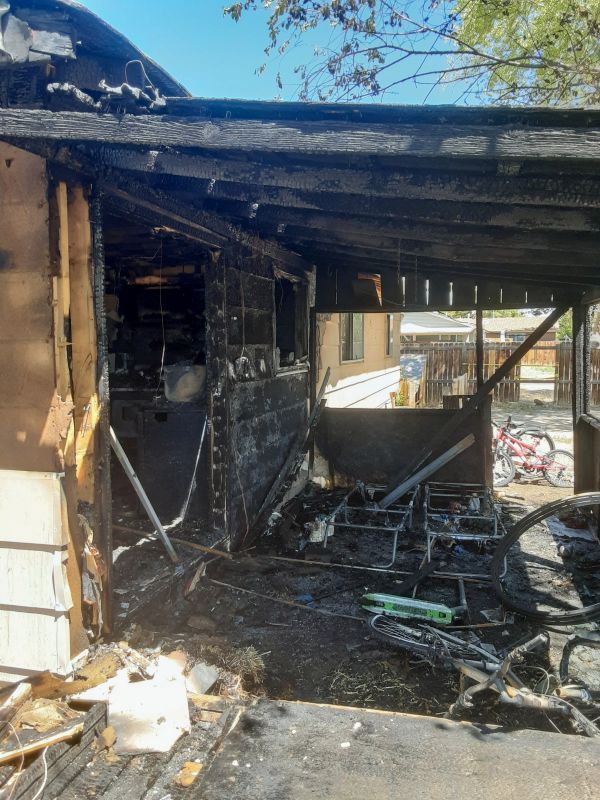
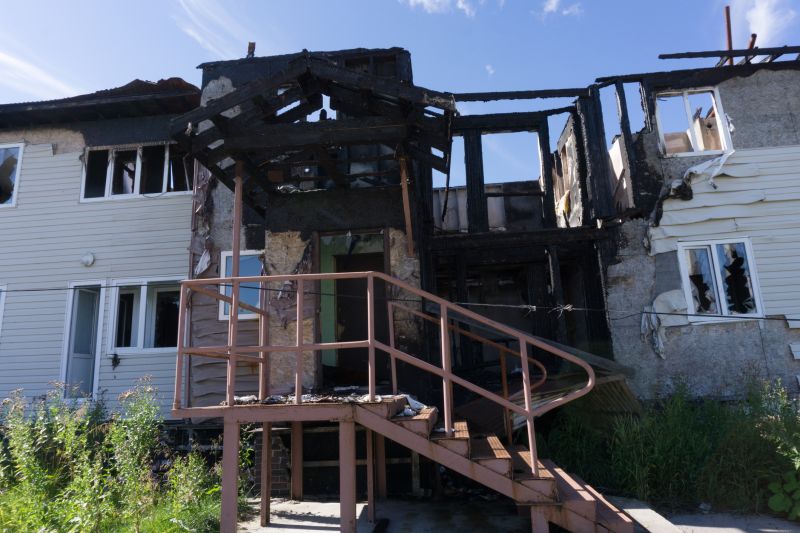
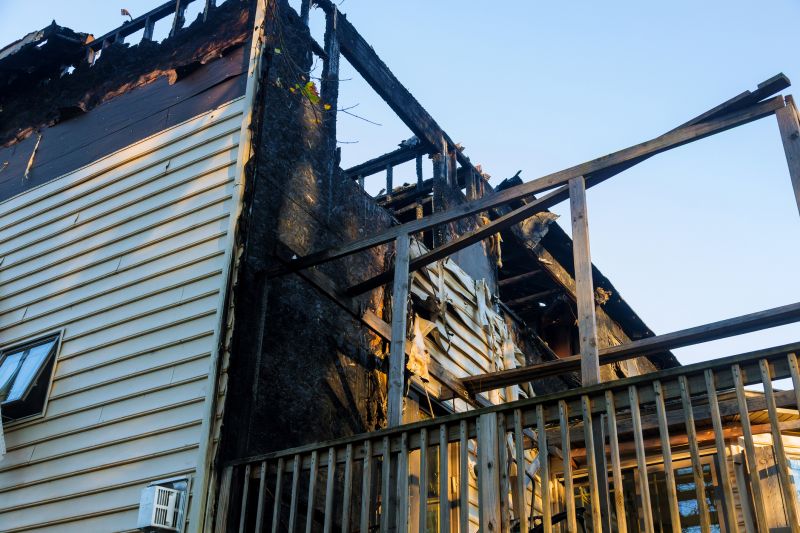
Forest fire mitigation services involve a variety of strategies aimed at reducing the risk of wildfires spreading on or near properties. These services typically include clearing brush, thinning dense vegetation, and removing dead or overgrown trees and shrubs that can serve as fuel for fires. By creating defensible space around homes and other structures, these efforts help slow or stop the progress of a wildfire, providing a safer environment for residents and their properties. Service providers may also install fire-resistant barriers or create firebreaks to further limit the spread of flames in high-risk areas.
These mitigation techniques address common problems such as excessive vegetation buildup, dry brush, and cluttered yards that can readily ignite during a wildfire. Overgrown landscaping, fallen leaves, and accumulated debris can turn a small spark into a large, uncontrollable blaze. Fire-prone areas, especially those near wooded regions or open fields, benefit greatly from professional mitigation work. The goal is to reduce the amount of combustible material on a property, thereby decreasing the likelihood of ignition and helping to protect homes and structures from fire damage.
Properties that typically utilize forest fire mitigation services include residential homes in wooded or brush-heavy neighborhoods, farms, and rural properties. Homes situated near forests, parks, or open land are especially vulnerable to wildfires, making mitigation work a practical step for fire safety. Additionally, properties that have experienced previous fires or are in areas with high fire danger ratings are often good candidates for these services. Commercial properties in fire-prone zones may also seek mitigation to safeguard their assets and ensure compliance with local safety guidelines.
Homeowners who notice overgrown vegetation, dry brush, or accumulated debris around their property may find forest fire mitigation services beneficial. These services are particularly relevant during dry seasons or drought conditions when the risk of wildfire increases. Engaging with local contractors can help identify specific vulnerabilities and develop a tailored plan to reduce fire hazards. By investing in professional mitigation work, property owners can create a safer environment, potentially reducing the risk of wildfire damage and enhancing overall property safety.
The overview below groups typical Forest Fire Mitigation projects into broad ranges so you can see how smaller, mid-sized, and larger jobs often compare in Buffalo, NY.
In many markets, a large share of routine jobs stays in the lower and middle ranges, while only a smaller percentage of projects moves into the highest bands when the work is more complex or site conditions are harder than average.
Smaller Repairs - Basic fire prevention measures, such as clearing brush or treating vulnerable trees, typically cost between $250 and $600. Many routine jobs fall within this range, especially for residential properties with straightforward needs.
Moderate Mitigation - More extensive work, including creating defensible zones or removing hazardous vegetation, can range from $600 to $2,000. These projects are common for properties requiring moderate clearance and fire-resistant landscaping.
Large-Scale Projects - Significant mitigation efforts, such as thinning dense forests or constructing firebreaks, often cost between $2,000 and $5,000. Fewer projects reach this level, usually involving larger or more complex sites.
Full Property Overhaul - Complete fire risk reduction, including comprehensive vegetation removal and structural modifications, can exceed $5,000. These larger, more complex projects are less frequent but necessary for high-risk areas.
Actual totals will depend on details like access to the work area, the scope of the project, and the materials selected, so use these as general starting points rather than exact figures.
Vegetation Management Projects - local contractors often handle clearing overgrown brush and trees to reduce fuel for wildfires, similar to forest fire mitigation efforts.
Controlled Burn Planning - experts coordinate and execute prescribed burns to manage wildfire risk, requiring similar planning and safety skills as fire mitigation services.
Firebreak Construction - building and maintaining firebreaks involves site assessment and strategic planning, aligning with techniques used in forest fire prevention.
Wildfire Risk Assessment - assessing property or land for wildfire hazards involves detailed analysis and planning, comparable to forest fire mitigation strategies.
Emergency Access Route Creation - designing clear pathways for fire response teams requires planning skills similar to those used in wildfire mitigation projects.
Landscape Clearing and Thinning - removing dense vegetation to reduce fire spread is a common task performed by local service providers with relevant expertise.
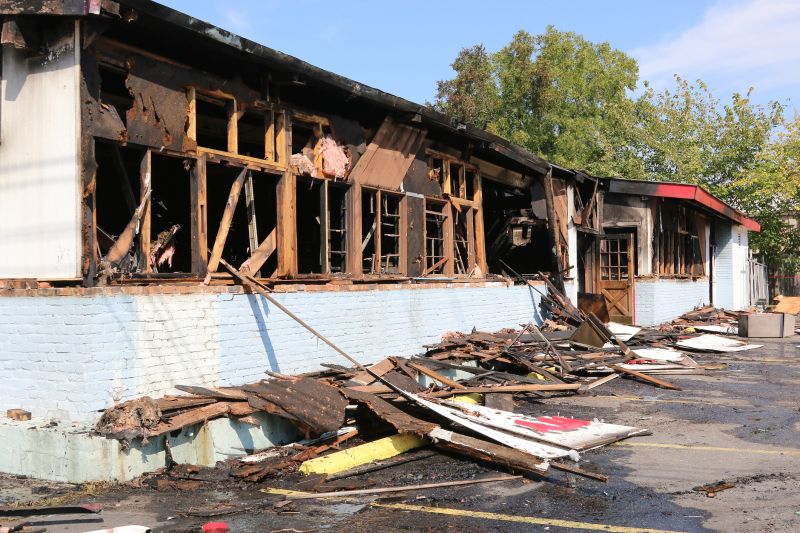
When evaluating contractors for Forest Fire Mitigation services, it’s important to consider their experience with projects similar in scope and complexity. Homeowners should inquire about the types of properties they have worked on and whether they have addressed specific challenges common in Buffalo and nearby areas. A contractor’s familiarity with local vegetation, terrain, and fire risk factors can be a strong indicator of their ability to develop effective mitigation strategies tailored to the unique needs of your property.
Clear, written expectations are essential for ensuring that both homeowners and service providers are aligned on the scope of work, materials, and overall approach. When comparing options, it’s helpful to review detailed proposals or plans that outline the specific tasks to be performed and the desired outcomes. This transparency helps prevent misunderstandings and provides a foundation for evaluating whether a contractor’s approach aligns with your safety and property preservation goals.
Reputable references and a history of good communication are vital components when choosing a service provider for Forest Fire Mitigation. Homeowners should seek out local contractors who can provide references from previous clients with similar projects. Additionally, effective communication-prompt responses, clear explanations, and openness to questions-can make the process smoother and more predictable. Since this site introduces homeowners to local options rather than performing the work itself, it’s recommended to contact multiple service providers to gather information and determine which one best meets your needs based on experience, clarity, and communication style.
Property owners in Buffalo, NY use Forest Fire Mitigation services for practical projects around their homes and businesses. This guide focuses on everyday jobs and straightforward project options.
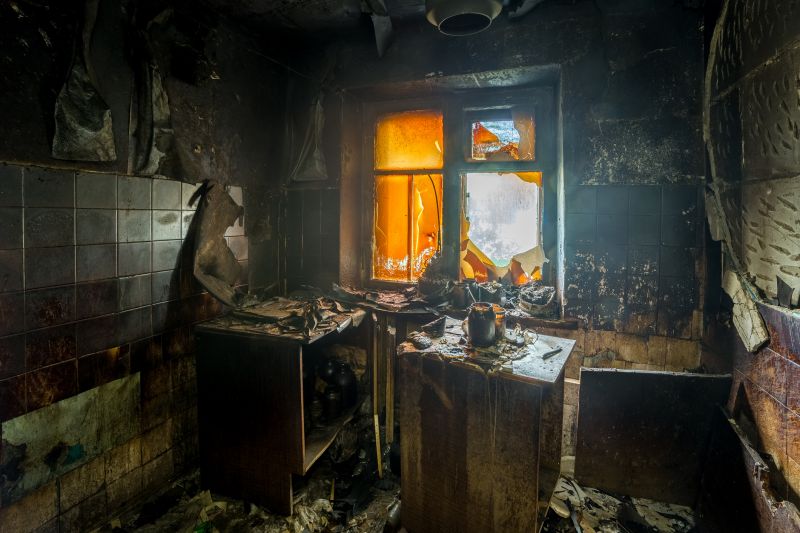
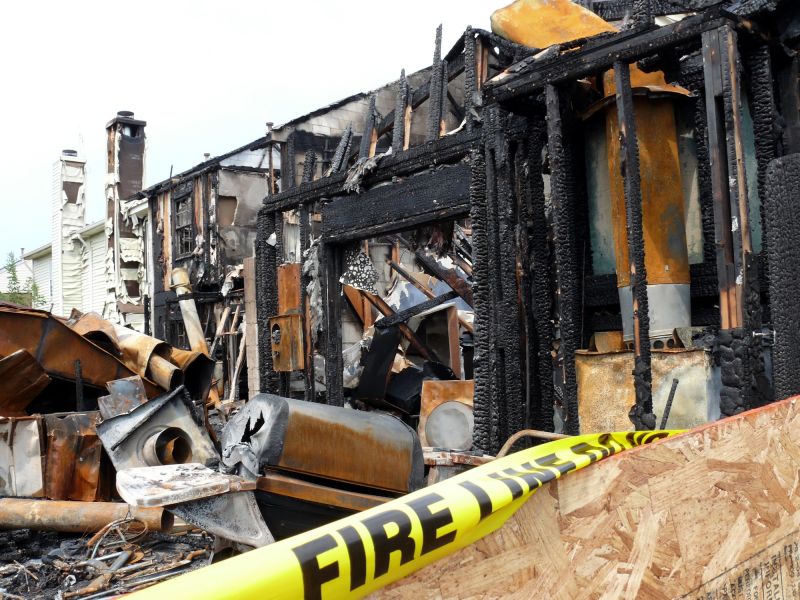
Forest fire mitigation services are often needed by property owners in Buffalo, NY, who want to reduce the risk of fire spreading to their homes or land. Common situations include clearing overgrown vegetation, trimming trees near structures, and creating defensible space around residential or commercial properties. Local contractors can help with these tasks, ensuring that properties are better prepared to withstand potential fire threats, especially during dry seasons or after periods of heavy vegetation growth.
Property owners may seek forest fire mitigation to protect their investments and ensure safety in rural or wooded areas. Simple reasons for this include reducing fire hazards, complying with local regulations, or preparing for seasonal fire risks common in Western New York. Local service providers can assist with assessments and implementing fire-resistant landscaping or clearance work, helping property owners maintain a safer environment in the face of wildfire concerns.
What is forest fire mitigation? Forest fire mitigation involves implementing strategies and practices to reduce the risk and impact of wildfires on properties and surrounding areas in Buffalo and nearby regions.
What types of services do forest fire mitigation contractors offer? Local contractors typically provide services such as creating defensible space, removing dead vegetation, and establishing firebreaks to help protect properties from wildfires.
How can forest fire mitigation benefit my property? Proper mitigation can lower the risk of fire damage, help protect structures, and improve safety for residents and firefighters in the event of a wildfire.
What should I consider when choosing a forest fire mitigation service provider? It's important to look for experienced local contractors who understand the specific fire risks in Buffalo and can recommend appropriate mitigation measures.
How do I find qualified forest fire mitigation professionals in my area? You can compare local service providers through reputable lead generation platforms to connect with experienced contractors suited to your property's needs.
Defensible Space Planning - Property owners can work with local contractors to create clear zones around structures, reducing wildfire risks.
Vegetation Management - Clearing brush and trimming trees can help prevent fires from spreading to homes and buildings.
Firebreak Installation - Installing barriers or cleared areas can slow or stop the progress of a wildfire near residential properties.
Emergency Access Routes - Planning and maintaining accessible pathways ensures fire services can respond quickly if needed.
If you are thinking about Forest Fire Mitigation for a property in Buffalo, NY, this guide is meant to help you understand the work, the typical project types, and how different options might fit your plans.
When you are ready, you can use the quote form on this page to share a few details about your project. From there, local pros can review the basics and respond with options that match what you have in mind.